
Dr Sorcha Clarke
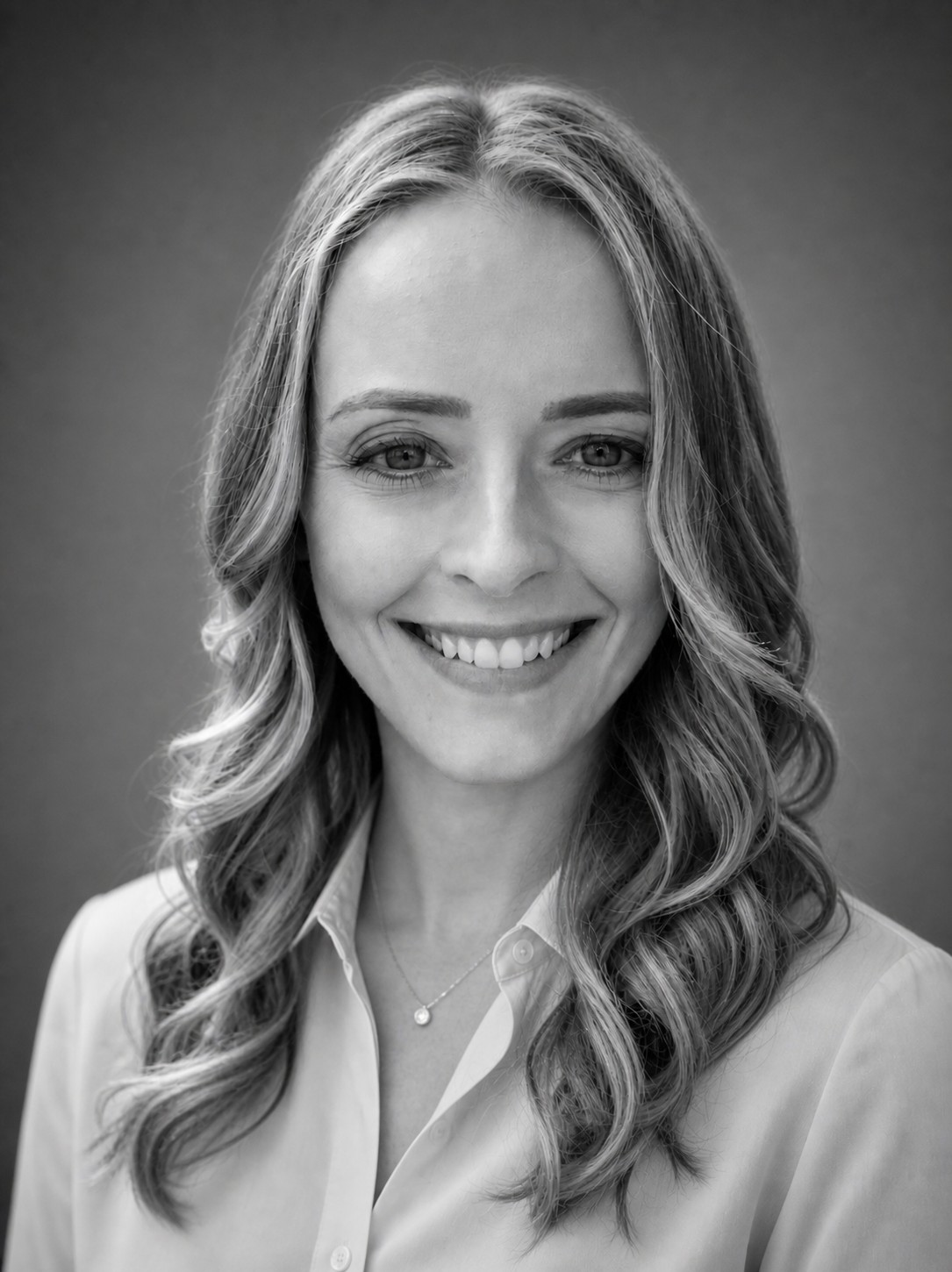
ROSETTA Project: “Women, children and poverty in Ireland, 1850-1921″
Supervisor: Dr Sarah-Anne Buckley
Host University: University of Galway
Email: sorcha.clarke@universityofgalway.ie
LinkedIn: https://www.linkedin.com/in/sorcha-clarke-phd-afhea-838299b7/
ORCID ID: 0009-0001-3162-2449
Dr Sorcha Clarke is a ROSETTA postdoctoral fellow with University of Galway and is undertaking her fellowship under the supervision of Dr Sarah-Anne Buckley.
Sorcha holds a BA (Hons) in Modern History and English and an MA in Irish History from Queen’s University Belfast, and received her PhD in History from the University of Ulster in May 2025.
As a social historian of nineteenth and twentieth-century Ireland with particular interests in poverty, gender, childhood, philanthropy and welfare, her research to date has used petitions and applications for charitable assistance to uncover the lived experiences of impoverished families in Ulster in the years between the Great Famine and the eventual partitioning of Ireland in 1921. She has also interrogated the language used in these sources in order to identify key semantic features and rhetorical strategies, and either recognise them as idiosyncratically Irish or place them in a continuum with wider contemporary British and European trends in petitioning.
Sorcha’s ROSETTA project, titled, “Women, children and poverty in Ireland, 1850-1921” examines how individuals and families communicated need, negotiated systems of welfare, and managed the social and temporal pressures of survival in everyday life.
Her research project will focus on ordinary lives, particularly those of women and children in Ireland between 1850 and 1921, while also engaging with contemporary questions of digital responsibility and the management of historical data over time.
Through the application of NVivo and other digital methodologies, the project seeks to encourage interdisciplinary approaches to history, promoting responsible digital analysis, careful interpretation of archival material, and new ways of understanding how time, memory, and lived experience are represented in historical research.